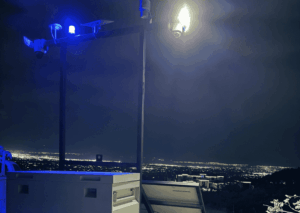
How to Choose the Right Mobile Surveillance Trailer for Your Construction Business

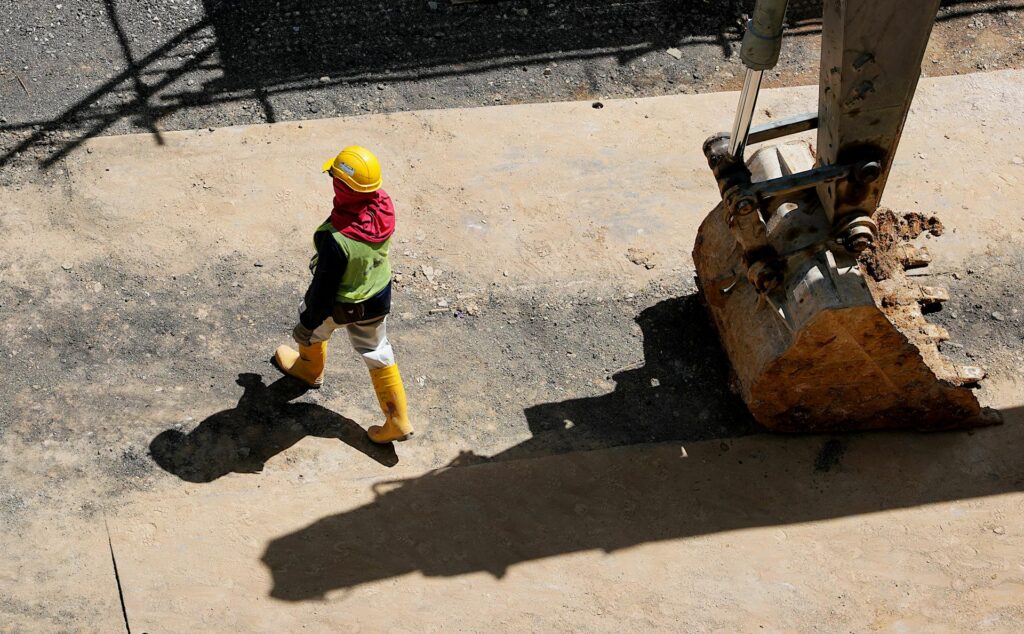
In the construction industry, job sites are hubs of activity, progress, and investment. From heavy machinery and materials to workers and subcontractors, there’s a lot that goes into completing a project on time and on budget. According to the National Insurance Crime Bureau (NICB), the recovery rate for stolen heavy equipment is less than 25%. In light of this, more professionals are turning to mobile surveillance trailers as a proactive way to protect their investments.
A mobile surveillance trailer is more than just a camera on wheels. It’s a flexible, scalable security solution that can deter theft, monitor activity, and provide critical evidence if incidents occur. But not all mobile surveillance solutions are created equal, so choosing the right one for your construction business requires careful consideration.
Here is a simple guide to the key factors every construction professional should think about when selecting a mobile surveillance trailer; from identifying your site’s specific needs to understanding technology options, terrain challenges, power requirements, and integration capabilities.
1. Understand Your Site and Security Goals
Before shopping for a surveillance solution, it’s essential to take a step back and evaluate your specific needs. Construction sites vary widely in size and complexity. Are you overseeing a small residential build, a sprawling commercial development, or multiple sites across different locations? Each scenario has different surveillance needs. A larger site might require a list of features with multiple cameras with wide coverage, while a smaller project may need just a focused field of view.
You should also consider what your primary security concerns are. Some common construction site challenges include:
- Equipment theft and vandalism
- Unauthorized access after hours
- Tracking worker safety and activity
- Documentation of site incidents
Identifying which of these concerns matter most for your site will help guide your decision about trailer features and camera capabilities.
2. Mobility and Deployment Flexibility
The whole point of a mobile surveillance trailer is the ability to move it as your project evolves. However, not all trailers are equally easy to transport. Most mobile surveillance trailers are towable and can be re-positioned as needed. But consider:
- Ease of repositioning: How easy is it to move the unit without specialized equipment?
- Setup time: Can one person deploy the system quickly?
- Storage between jobs: Do you have space to store the trailer when not in use?
For construction companies with multiple active sites, a trailer that’s quick to reposition and easy to operate without technical expertise can save both time and money.
3. Choose the Right Camera Technology
When it comes to surveillance, cameras are at the heart of the system. But not all cameras are optimized for construction environments.
Higher resolution provides clearer footage, which is especially important if you need to identify faces or license plates. Look for cameras that offer at least 1080p resolution or higher if your budget allows.
Some cameras offer pan-tilt-zoom (PTZ) features, allowing them to rotate to cover larger areas, zoom in on suspicious activity, and respond dynamically to movement. A PTZ mobile surveillance camera can be especially useful on large construction sites where a single stationary camera might not cover everything.
Light is also important to consider. Construction sites don’t shut down at dusk, and vandalism or theft often happens under the cover of darkness. Ensure your cameras have:
- Infrared (IR) night vision
- Good low-light performance
- Smart illumination to avoid glare
Recent studies have shown that advanced features such as these both decrease the risk of crime on construction sites and make recovery much more likely if theft does happen.
4. Power Solutions: Solar, Battery, or Generator?
One of the most important decisions when selecting a mobile surveillance trailer is deciding how it will be powered. A solar-powered wireless security camera is attractive because it’s renewable and reduces the need for manual maintenance. Key benefits include:
- Continuous power with sufficient daylight
- Lower operating costs
- Quiet, no-fume operation
However, solar systems require adequate sunlight exposure, making them best suited for open sites without heavy shade. When solar or external power isn’t available, battery systems can support operations. Consider how long the batteries can sustain the system during low sunlight periods or at night.
Some sites may not get consistent sunlight or may require heavier power loads. In those cases, trailers that support generator hook-ups can offer more reliable energy, especially in remote areas.
5. Connectivity and Remote Monitoring
A modern security system is only as useful as your ability to access it when you need it. A current mobile security camera trailer typically connects in one of the following ways:
- Cellular: Ideal for remote sites where Wi-Fi isn’t available. Cameras upload footage directly to the cloud via 4G/5G.
- Wi-Fi: Works well if your site has a stable internet connection, but may be limited in range.
Cellular connectivity is often the best choice for construction sites, giving you access to live feeds and recorded footage from anywhere. In addition, look for systems that support:
- Live video streaming
- Motion-triggered alerts
- Remote control of cameras
- Cloud storage
These features enable you to respond swiftly to incidents and stay informed without being on site.
6. Durability in Harsh Environments
Construction sites are tough places, so your mobile surveillance trailer needs to be tough too. Ensure your system is built to handle heavy rain, wind and dust, extreme temperatures, and snow and ice. Keep an eye out for equipment that’s rated for outdoor use and rugged environments.
Durability also means resistance to tampering or vandalism. Strong mounts, secure housings, and strategic placement can help reduce the risk of cameras being damaged or disabled.
7. Compliance and Data Security
In an age where privacy and data protection are critical, choosing a system with secure data handling practices is essential.
Make sure your system encrypts footage both during transmission and while stored in the cloud. This prevents unauthorized access and ensures only authorized users can view sensitive footage.
Choose a system that allows you to manage who has access to the video feeds and controls. Administrator profiles, user permissions, and secure login processes are signs of a well-designed solution.
8. Scalability as Your Needs Change
Your surveillance needs will evolve as your business grows or projects change scope. Systems with modular camera options let you add or remove cameras depending on site size offer flexibility and cost savings.
Some trailers support more than just cameras, and may include:
- Motion detectors
- Environmental sensors
- Lights and alarms
These additional features can enhance site protection and provide peace of mind.
9. Total Cost of Ownership
Price is an important factor, but it shouldn’t be the only one. When evaluating mobile surveillance trailers, think about:
- Upfront equipment cost
- Installation and setup expenses
- Connectivity fees (e.g., cellular plans)
- Maintenance and energy costs
- Potential savings from preventing theft and damage
The goal shouldn’t be just buying the cheapest system. It should be investing in a reliable solution that protects your assets, minimizes risk, and pays for itself over time.
10. Installation and Support
A great surveillance solution isn’t just about the hardware. It’s also about the support behind it. The best place to lease a mobile security trailer should evaluate your site requirements, recommend the right configuration, and handle installation and deployment.
Technology changes quickly, and so your project will benefit from ongoing support. You should look for providers that offer technical support, troubleshooting resources, and guidance on upgrades or repositioning. All of this will go to ensure your system continues to work well and adapt as your site evolves.
Matching Technology With Practical Needs
Choosing the right mobile surveillance trailer for your construction business isn’t just about picking the best cameras or the biggest system. It requires thoughtful evaluation of your site’s size, environment, security concerns, connectivity options, and long-term needs.
The right solution should give you confidence, offering clear video, reliable connectivity, intuitive controls, and the flexibility to move as your projects shift. It should deter theft, help you monitor activity, and provide the documentation you need when incidents occur.
Every construction site is different, so there’s no one-size-fits-all solution. Taking the time to understand your specific challenges and priorities will help you choose a surveillance trailer that truly protects your people and assets while adding value to your operation.
If you’re considering a mobile surveillance solution and want expert guidance tailored to your business, we’re here to help. Call or text SunRoad Surveillance at 801-688-6561 or visit our website to learn more about matching the right trailer solution to your construction site’s needs.
Related Content